
Description
hokwokleung.com
Fermented Tofu (Furu / Mould Tofu): The “Oriental Cheese” with Millennia of Fermented Flavor
Fermented tofu, also known as furu or mould tofu, is a unique traditional fermented soybean product of China. Made from soybean curd (tofu) that undergoes fermentation with Mucor or Rhizopus moulds, followed by salting and aging, it has a soft, creamy texture and a savory, mellow flavor. It is often called “Oriental plant cheese” in the West.
腐乳(豆腐乳/霉豆腐):東方奶酪,千年發酵風味
腐乳,又稱豆腐乳、霉豆腐,是中國獨有的傳統發酵豆製品。以黃豆製成豆腐坯,經毛霉/根霉發酵、醃製、後期熟成而成,質地酥軟、鹹香醇厚,被西方譽為「東方植物奶酪」。
I. Basic Classifications (by Color / Flavor)
1. Red Fermented Tofu (Red Fang)
- Characteristics: Bright red surface (colored with red yeast rice), apricot-yellow interior. Savory, umami-rich, and slightly sweet.
- Representatives: Wangzhihe Red Furu, Zhulaoliu Red Fang, Kedong Furu
- Uses: As a side dish, in red-cooking, with braised pork, or in furou (fermented tofu pork).
2. White Fermented Tofu (White Fang)
- Characteristics: Milky white or pale yellow. Finest texture, strong wine aroma, moderately salty.
- Representatives: Guanghe (Guangdong) White Furu, Shaoxing White Furu
- Uses: Served with congee, plain rice, in cold dishes, or stir-fries.
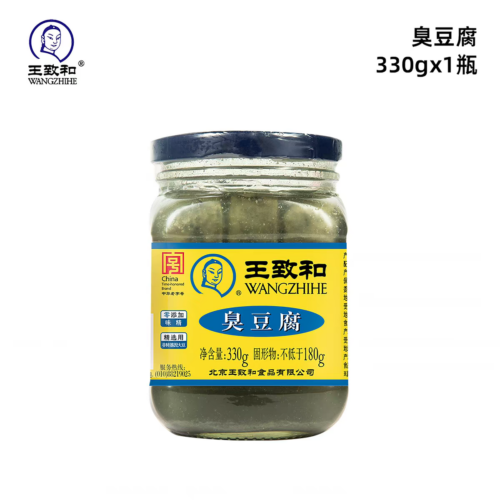
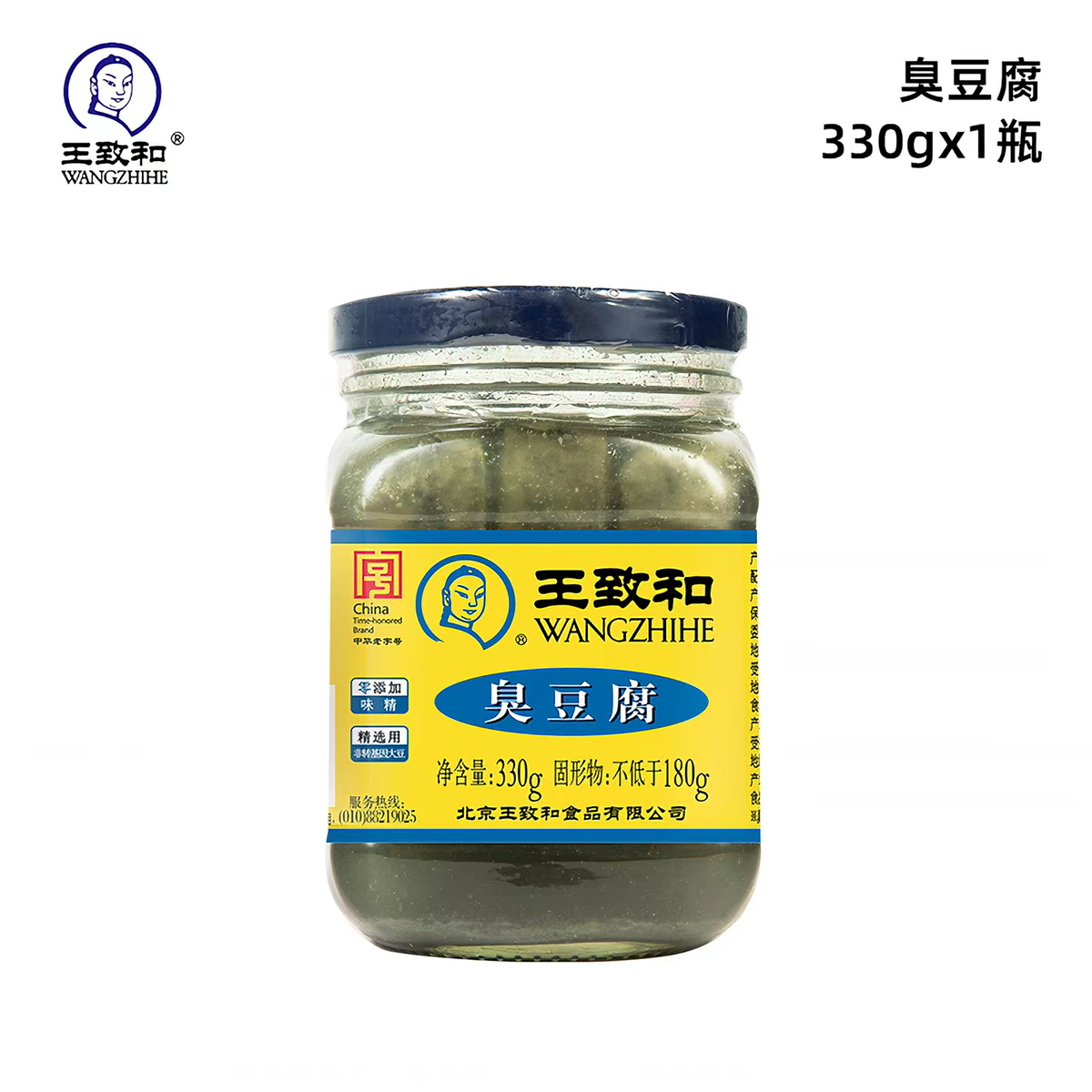
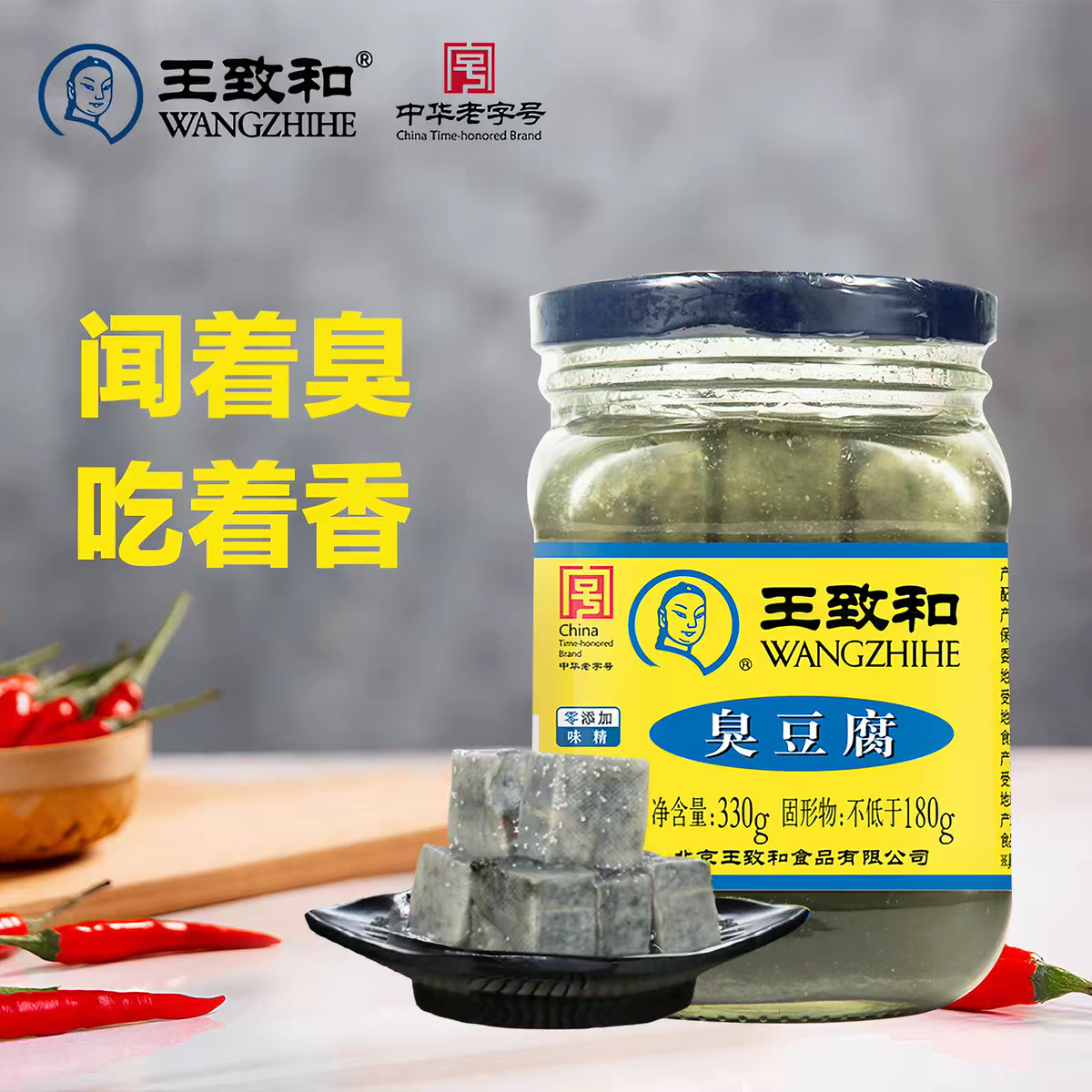
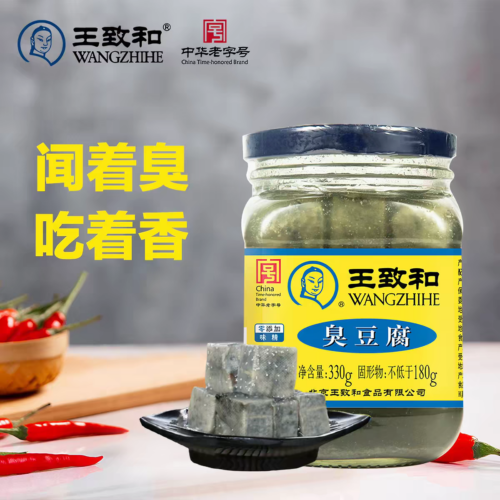
3. Green Fermented Tofu (Green Fang / Stinky Tofu Curd)
- Characteristics: Greyish-green color, strong pungent odor, but a savory aftertaste. The most deeply fermented type.
- Representatives: Wangzhihe Stinky Tofu
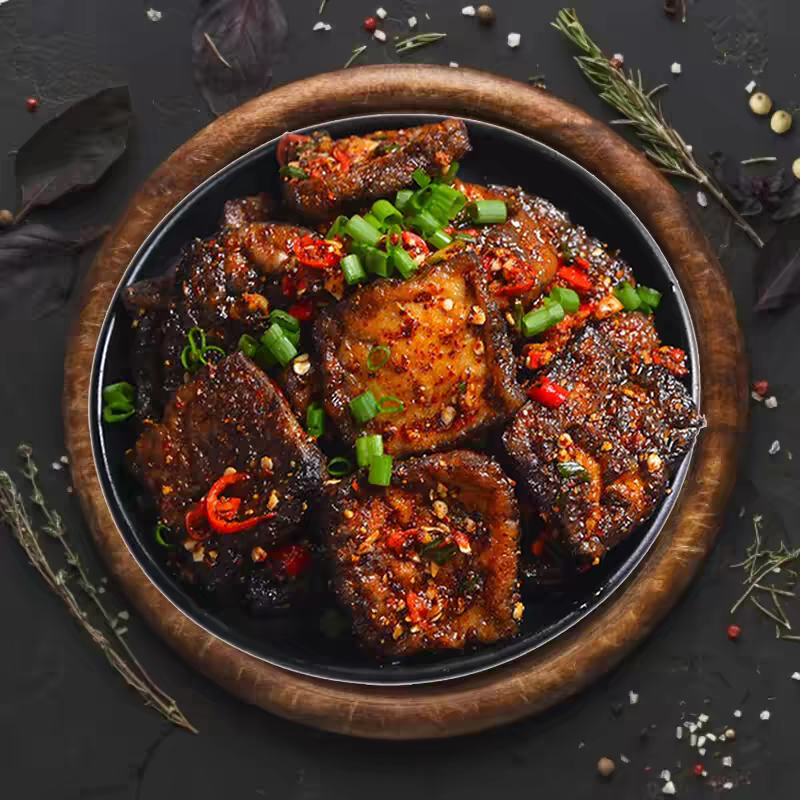
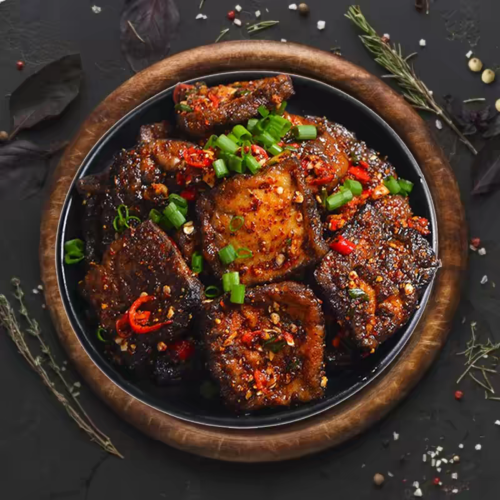
- Uses: For strong-flavor palates; fried stinky tofu.
4. Soybean-Paste Fermented Tofu / Specialty Flavors
- Soybean-Paste Furu: Intense fermented soybean aroma, relatively salty (e.g., Yangzhou Soybean-Paste Furu).
- Spicy Furu: From Sichuan, Hunan, and Chongqing – aromatic, spicy, and oily (e.g., Jiajiang Furu, Zhongzhou Furu).
- Rose Furu / Camellia Oil Furu: Infused with rose or camellia oil for a unique fragrance.
一、基本分類(按顏色/風味)
1. 紅腐乳(紅方)
- 特點:表面紅亮(紅麴米著色),內部杏黃,鹹香帶鮮、微甜。
- 代表:王致和紅腐乳、朱老六紅方、克東腐乳。
- 用途:佐餐、紅燒、扣肉、腐乳肉。
2. 白腐乳(白方)
- 特點:乳白/淡黃,質地最細膩、酒香濃、鹹淡適中。
- 代表:廣東廣合腐乳、紹興白腐乳。
- 用途:配粥、白飯、涼拌、炒菜。
3. 青腐乳(青方/臭豆腐乳)
- 特點:青灰色,臭味濃、後味鮮,發酵最深。
- 代表:王致和臭豆腐。
- 用途:重口佐餐、炸臭豆腐。
4. 醬腐乳/花色腐乳
- 醬腐乳:醬香濃、偏鹹(如揚州醬腐乳)。
- 辣腐乳:四川、湖南、重慶款,香辣油潤(如夾江腐乳、忠州腐乳)。
- 玫瑰腐乳/茶油腐乳:加玫瑰、茶油,香氣更獨特。
II. Traditional Process (Intangible Cultural Heritage Level)
- Making the Curd Base: Soybeans are ground into milk, curdled with a coagulant, pressed into firm tofu, and cut into small cubes.
- Primary Fermentation (Mould Growth): Inoculated with Mucor mould and kept warm until white mycelium (fuzzy hairs) covers the cubes.
- Salting: Salted to draw out moisture, kill bacteria, and then placed into jars.
- Aging (Secondary Fermentation): Rice wine, spices, and red yeast rice (for red furu) are added. The jars are sealed and aged for 1 to 6 months. During this time, amino acids develop, aromas mature, and the texture softens.
二、傳統工藝(非遺級)
- 製坯:黃豆磨漿、點滷、壓製成硬豆腐,切小塊。
- 前發酵(長毛):接種毛霉,保溫發酵長白毛(菌絲)。
- 醃製:鹽醃脫水、殺菌、入罈。
- 後發酵(熟成):加酒、香料、紅麴,密封發酵1~6個月,胺基酸化、出香、酥化。
III. Nutrition & Health Benefits (An Underestimated Nutritional Powerhouse)
- High Protein: Fermentation makes the protein easier to digest. Contains about 12g of protein per 100g.
- Rich in B Vitamins: Especially B2, B6, and B12 (rare in plant-based foods) – supports nerve health and metabolism.
- Cholesterol-Free: Pure plant fermentation; low in fat, high in dietary fiber.
- Salt Caution: Fermented tofu is quite salty. One small cube (about 10g) per serving is sufficient – best enjoyed with congee or steamed buns.
三、營養與健康(被低估的「營養王者」)
- 高蛋白:發酵後蛋白更易吸收,每100g約含12g蛋白。
- B群維生素豐富:B2、B6、B12(植物中少見),護神經、助代謝。
- 不含膽固醇:純植物發酵,低脂、高膳食纖維。
- 控鹽提示:偏鹹,每次1小塊(約10g)即可,配粥、饅頭最適宜。
IV. Classic Ways to Eat (Incredibly Versatile)
- As a Side Dish: With plain congee, steamed buns, rice, or noodles – one bite whets the appetite.
- Red-Cooking / Braising: Furu pork, furu ribs, furu fish – removes odors, enhances color, adds umami.
- As a Seasoning: Furu water spinach, furu dipping sauce, hot pot dip, cold dish dressing.
- Cooking Tip: Mash furu with its liquid and some cooking wine to make a versatile red-cooking sauce.
四、經典吃法(萬能百搭)
- 佐餐:配白粥、饅頭、米飯、麵條,一口開胃。
- 紅燒/燉菜:腐乳肉、腐乳排骨、腐乳燒魚,去腥增香、上色提鮮。
- 調味:腐乳空心菜、腐乳蘸水、火鍋蘸料、涼拌菜。
- 烹飪技巧:腐乳壓碎+湯汁+料酒=萬能紅燒醬汁。
V. Well-Known Brands (Northern vs. Southern Styles)
Northern China
- Wangzhihe (Beijing): Intangible Cultural Heritage. Famous for red furu and stinky tofu.
- Kedong Furu (Heilongjiang): Bacterial fermentation; strong soybean-paste aroma, firm texture.
- Zhulaoliu (Northeast): Savory red furu, good value for money.
Southern China
- Guanghe (Guangdong): White furu with fine texture, strong wine aroma – a top export seller.
- Sanhe Sumei (Yangzhou): Jiangnan style – savory with a touch of sweetness, rich soybean-paste notes.
- Xianheng / Laohenghe (Shaoxing): Huangjiu (yellow wine) furu, rose furu.
- Jiajiang / Haihuisi (Sichuan): Spicy furu, oily furu – a perfect match for rice.
五、知名品牌(南北風味)
北方
- 王致和(北京):非遺,紅腐乳、臭豆腐經典。
- 克東腐乳(黑龍江):細菌發酵,醬香濃郁、塊緊實。
- 朱老六(東北):紅方鹹香、性價比高。
南方
- 廣合(廣東):白腐乳細膩、酒香濃、出口爆款。
- 三和四美(揚州):江南風味,鹹中帶甜、醬香味足。
- 鹹亨/老恆和(紹興):黃酒腐乳、玫瑰腐乳。
- 夾江/海會寺(四川):香辣腐乳、油腐乳,下飯一絕。
VI. Selection & Storage
How to Choose Good Fermented Tofu
- Whole, unbroken cubes, uniform color, no surface mold, no off-odors.
- Fine, firm yet tender texture – soft but not mushy.
- Clean ingredient list – preferably no preservatives or artificial colors.
Storage Methods
- Unopened: Store in a cool, dry place.
- After Opening: Refrigerate. Keep the cubes submerged in the brine or sesame oil to prevent drying out and spoilage.
六、選購與保存
選好腐乳
- 塊形完整、不碎、色澤均勻、無霉花、無異味。
- 質地細膩緊實、酥而不爛。
- 配料乾淨:無防腐劑、無人工色素優先。
保存方法
- 未開封:陰涼乾燥處。
- 開封後:冷藏,表面浸在滷汁/香油中,防乾、防變質。
VII. Historical Background & Evolution
The birth of fermented tofu is closely tied to the invention of tofu itself. Its evolution spans over a thousand years, making it a living fossil of Chinese fermented foods.
1. Origins: A Byproduct of Tofu (Han to Tang Dynasties)
– Invention of Tofu: Legend holds that Liu An, the Prince of Huainan in the Western Han dynasty, invented tofu, providing the raw material for furu.
– Accidental Discovery: Tofu that naturally mouldered during storage produced a flavorful “mould tofu” – considered the prototype of furu. A similar description of “tofu fermented with salt” appears in the Northern Wei dynasty’s Qimin Yaoshu (Essential Techniques for the Common People).
2. Maturation: Process Standardized in the Song and Yuan Dynasties
– Clear Records: The Song dynasty encyclopedia Shilin Guangji includes a detailed method for “pickling tofu,” closely resembling modern furu techniques.
– Yuan Dynasty Popularization: The Jujia Biyong Shilei Quanji (Complete Compendium of Household Essentials) fully documents the process of “moulding tofu” followed by salting, adding spices and wine, and aging – marking the maturation of furu production.
3. Prosperity: Flavor Diversification in the Ming and Qing Dynasties
– Birth of Red Furu: During the Ming dynasty, it was discovered that red yeast rice (hongqu mi) imparts a bright red color and unique flavor to furu. Red furu became mainstream.
– Regional Styles Emerge: Beijing’s Wangzhihe (Qing dynasty, Kangxi era) became famous for green furu (stinky tofu). Guangdong, Zhejiang, and Sichuan developed white furu, soybean-paste furu, and spicy furu, respectively.
– Materia Medica Record: Li Shizhen’s Compendium of Materia Medica (Ming dynasty) notes that furu “has a salty and sweet taste, neutral nature, and can aid digestion and transform phlegm.”
4. Modern Era: Industrialization & Globalization
– Industrial Production: From the 20th century onward, pure-culture starter moulds (Mucor, Rhizopus) were introduced, ensuring consistent quality and higher yields.
– Standardization & Innovation: National standards for furu (GB 2712) were established. New varieties emerged, such as low-salt furu and camellia oil furu.
– Going Global: Furu is now exported to Southeast Asia, Europe, and the Americas. Some brands have received Intangible Cultural Heritage recognition.
5. Summary of Evolutionary Patterns
| Period | Key Developments |
|---|---|
| Han – Tang | Invention of tofu; natural fermentation prototype |
| Song – Yuan | Process standardized; aging with salt, wine, spices |
| Ming – Qing | Use of red yeast rice; regional flavor differentiation |
| Modern | Industrialization, standardization, globalization |
七、歷史背景與演變
腐乳的誕生與豆腐的發明密切相關,其演變歷程跨越千年,堪稱中國發酵食品的活化石。
1. 起源:豆腐的副產品(漢代至唐代)
– 豆腐出現:相傳西漢淮南王劉安發明豆腐,為腐乳提供了原料基礎。
– 偶然發現:豆腐在儲存過程中因黴菌自然發酵,產生風味變化的「黴豆腐」,被認為是腐乳的雛形。北魏《齊民要術》中已有「豆腐加鹽發酵」的類似記載。
2. 成熟:宋元時期工藝定型
– 明確記載:宋代《事林廣記》中出現了「豆腐醃漬」的具體方法,與現代腐乳工藝接近。
– 元代普及:《居家必用事類全集》詳細記錄了「豆腐作霉」後加鹽、香料、酒熟成的完整流程,標誌腐乳製作技術成熟。
3. 興盛:明清時期風味分化
– 紅腐乳誕生:明代發現紅麴米可賦予腐乳紅亮色澤與獨特風味,紅方成為主流。
– 地方流派形成:北京王致和(清康熙年間)以青腐乳聞名;廣東、浙江、四川發展出白方、醬腐乳、辣腐乳。
– 文獻記載:李時珍《本草綱目》稱腐乳「味鹹甘,性平,能消食化痰」。
4. 現代:工業化與國際化
– 工業化生產:20世紀後引入純種發酵菌(毛霉、根霉),品質穩定、產量提升。
– 標準化與創新:國家制定腐乳國標(GB 2712),出現低鹽腐乳、茶油腐乳等新口味。
– 走向世界:腐乳出口至東南亞、歐美,部分品牌獲非遺認證。
5. 演變規律總結
| 時期 | 關鍵演變 |
|---|---|
| 漢-唐 | 豆腐出現,自然發酵雛形 |
| 宋-元 | 工藝定型,加鹽、酒、香料熟成 |
| 明-清 | 紅麴應用,地方風味分化 |
| 現代 | 工業化、標準化、國際化 |
VIII. Simple Recipes (Beginner-Friendly, Foolproof)
All four recipes use common furu (red or white; spicy can be used according to taste). Simple operations, 5–30 minutes to finish.
1. Furu Water Spinach (5-Minute Quick Stir-Fry)
- Ingredients: 1 bunch water spinach, 2 cubes furu + 1 tbsp furu brine (mashed into a paste), minced garlic, a little oil.
- Method: Wash and cut water spinach. Heat oil, sauté garlic. Add water spinach and stir-fry over high heat for 30 seconds. Add furu paste and toss to combine. Serve immediately (no extra salt).
2. Furu Red-Braised Pork (Rice Cooker / Clay Pot Version)
- Ingredients: 500g pork belly, 3 cubes furu + 2 tbsp brine, 10g rock sugar, sliced ginger, 2 tbsp cooking wine, water.
- Method: Blanch pork. Mash furu with brine. Melt rock sugar until amber, add pork and stir-fry. Add furu paste, ginger, wine, hot water to cover. Simmer 40 min, then reduce sauce. No extra salt.
3. Furu Noodles (5-Minute Lazy Meal)
- Ingredients: 1 portion noodles, 1 cube furu, 1 tbsp light soy sauce, ½ tbsp vinegar, a few drops sesame oil, chopped scallions, chili oil (optional).
- Method: While cooking noodles, mash furu with soy sauce, vinegar, and sesame oil. Drain noodles and toss with sauce. Garnish with scallions and chili oil.
4. Versatile Furu Dipping Sauce (Perfect for Hot Pot or Boiled Meat)
- Ingredients: 2 cubes furu, 1 tbsp minced garlic, 1 tbsp chopped cilantro, 1 tbsp light soy sauce, ½ tbsp vinegar, a pinch sugar, 1 tbsp chili oil, 1 tbsp sesame oil, 2 tbsp cold boiled water.
- Method: Mash furu, then mix with all other ingredients. Use as a dip for hot pot lamb, poached chicken, blanched vegetables, etc.
八、簡單食譜(新手零失敗)
1. 腐乳空心菜(5分鐘快炒)
- 食材:空心菜1把、腐乳2塊(加1勺腐乳汁壓成泥)、蒜末、少許油。
- 步驟:空心菜洗淨切段。熱鍋冷油,爆香蒜末。下空心菜大火快炒30秒。加入腐乳泥翻炒均勻,即可出鍋(鹽可不加,腐乳已夠鹹)。
2. 腐乳紅燒肉(電飯煲/砂鍋版)
- 食材:五花肉500g、腐乳3塊+腐乳汁2勺、冰糖10g、薑片、料酒2勺、水適量。
- 步驟:五花肉切塊焯水去腥。腐乳壓碎與汁調勻備用。鍋中少油,小火炒冰糖至融化呈琥珀色,下肉塊翻炒上色。加入腐乳醬、薑片、料酒、沒過肉的熱水,大火燒開轉小火燉40分鐘。收汁至濃稠即可(無需額外加鹽)。
3. 腐乳拌麵(5分鐘懶人餐)
- 食材:麵條1把、腐乳1塊、生抽1勺、醋半勺、香油幾滴、蔥花、辣椒油(可選)。
- 步驟:煮麵條的同時,碗中壓碎腐乳,加入生抽、醋、香油調成醬汁。麵條煮熟撈入碗中,淋醬汁拌勻。撒蔥花、加辣椒油,開吃。
4. 萬能腐乳蘸水(火鍋/白切肉搭檔)
- 食材:腐乳2塊、蒜末1勺、香菜末1勺、生抽1勺、醋半勺、白糖少許、辣椒油1勺、麻油1勺、涼開水2勺。
- 步驟:腐乳壓成泥。加入所有調料攪拌均勻。蘸水即可搭配涮羊肉、白切雞、燙青菜等。
IX. Conclusion
Fermented tofu is a living fossil of Chinese cuisine. A small cube holds a thousand years of fermentation wisdom. Whether eaten as a side dish or used as a seasoning, it is savory, umami-rich, appetizing, and nutritionally friendly – a classic that never fades from the kitchen or the dining table.
九、總結
腐乳是中國飲食的活化石,一塊小小方坯,藏著千年發酵智慧。既可當小菜,又能當調料,鮮香開胃、營養友好,是廚房與餐桌永不退場的經典。
Final Reminder: Fermented tofu has a high salt content. People with high blood pressure or kidney disease should consume it in moderation.
小提醒:腐乳含鹽量較高,高血壓、腎病患者需適量食用。
hokwokleung.com


Reviews
There are no reviews yet.