
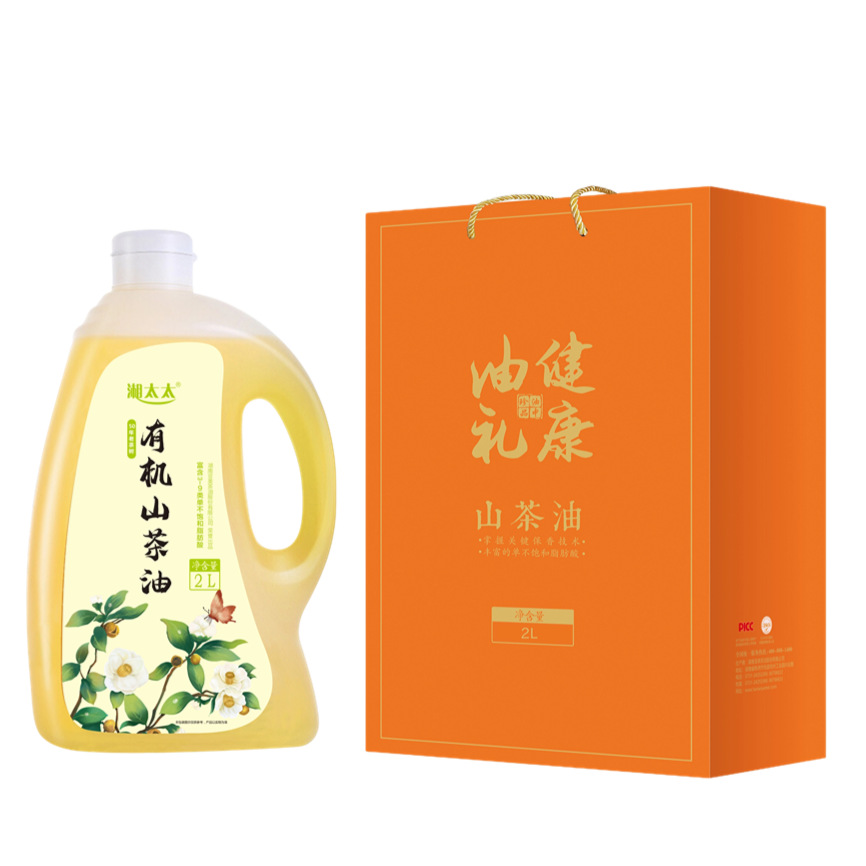
Description
Product attributes
| brand | Mrs. Xiang | Whether to import or not | not |
| Product Category: | Camellia oil | grade | Level 1 |
| Net Content (Specification) | 2000ml(ml) | Craftsmanship | Cold pressed at low temperature |
| Sales method | wrap | Implementation standards | GB/T11765 |
| Origin | Hunan | Shelf life | 18 months (months) |
| Date of manufacture | See the spray code on the bottle | Storage method | Keep out of light at room temperature |
| Production license number | SC10243022300112 | Delivery time | Year round |
| Whether it is in a gift box | not | Whether it is genetically modified | not |
| Packaging specifications | Organic Camellia Oil 2L | specialty | be |
| Whether it is organic or not | not | Applicable scenarios | domestic |
| Storage conditions | room temperature | Whether it is a geographical indication product | not |
| Product certification | be | ||
商品属性
| 品牌 | 湘太太 | 是否进口 | 否 |
|---|---|---|---|
| 产品类别 | 山茶油 | 等级 | 一级 |
| 净含量(规格) | 2000ml(ml) | 制作工艺 | 低温冷榨 |
| 售卖方式 | 包装 | 执行标准 | GB/T11765 |
| 原产地 | 湖南 | 保质期 | 18个月(个月) |
| 生产日期 | 见瓶身喷码 | 储藏方法 | 常温避光 |
| 生产许可证编号 | SC10243022300112 | 供货时间 | 全年 |
| 是否礼盒装 | 否 | 是否转基因 | 否 |
| 包装规格 | 有机山茶油2L | 特产 | 是 |
| 是否为有机食品 | 否 | 适用场景 | 家用 |
| 储存条件 | 常温 | 是否地理标志产品 | 否 |
| 产品认证 | 是 | ||
Detailed Introduction to Chinese Camellia Oil
I. What is Camellia Oil?
Camellia oil, also known as tea seed oil or tea oil, is a pure, natural, high-grade edible vegetable oil extracted from the seeds of the oil-tea camellia tree (Camellia oleifera Abel.) of the Theaceae family. The oil-tea camellia tree is a close relative of the tea plant (Camellia sinensis) we drink, but they are different species.
Its history in China is long and profound, dating back over two thousand years to the Han Dynasty. It is recorded in classical medical texts such as the Compendium of Materia Medica and Chinese Materia Medica. Since ancient times, it has not only been a cooking oil but also an important product for medicinal and cosmetic purposes.
II. Unique Characteristics and Production Process
1. Growing Environment and Harvest:
Oil-tea camellia trees primarily grow in the hilly and mountainous regions south of the Yangtze River,such as Hunan, Jiangxi, Guangxi, and Zhejiang. They typically grow far from industrial pollution in natural environments. From flowering, fruiting to ripening, the process takes nearly a full year, an phenomenon traditionally described as “gestating with the child in arms,” absorbing the essence of all four seasons. The fruits are usually harvested around the time of the First Frost in the lunar calendar.
2. Production Methods:
The quality of camellia oil is closely related to its extraction process,which is mainly divided into:
· Cold Pressing (Low-Temperature Pressing):
· The seeds are physically pressed at low temperatures.
· Advantages: Maximally retains the natural nutrients, active substances, and flavor of the oil. The oil yield is lower, and the cost is higher, making this the highest quality camellia oil.
· Product: The oil is light yellow, clear, and bright with a fresh, fragrant aroma.
· Hot Pressing:
· The seeds are steamed, roasted, or baked before pressing.
· Advantages: Higher oil yield and a more robust aroma.
· Disadvantages: High temperatures can destroy some nutrients, and the oil color is darker.
· Solvent Extraction:
· Uses chemical solvents (like n-hexane) to extract oil from the leftover seed meal.
· Advantages: Highest oil yield, lowest cost.
· Disadvantages: Significant nutrient loss, requires refining to remove solvents, and has almost none of the original flavor. Most cheap camellia oils on the market use this method.
Top-quality camellia oil is usually labeled “Cold Pressed” or “Virgin.”
III. Nutritional Value and Health Benefits
The fatty acid composition of camellia oil is considered by nutritionists to be a “golden ratio,” which is the main reason for its high acclaim.
1. Excellent Fatty Acid Profile:
· High in Monounsaturated Fats (over 80%): Primarily Oleic Acid (Omega-9), the content of which is even higher than in olive oil. Oleic acid helps reduce bad cholesterol (LDL) and increase good cholesterol (HDL), making it extremely beneficial for cardiovascular health and helping to prevent arteriosclerosis, hypertension, and other diseases.
· Low in Saturated Fats (about 10%): Much lower than animal fats and tropical plant oils (like coconut oil, palm oil).
· Moderate Proportion of Polyunsaturated Fats (Linoleic Acid, Omega-6): About 7%-13%, an essential fatty acid that the human body cannot synthesize on its own.
2. Rich in Various Active Nutrients:
· Camellin: Has cardiotonic effects.
· Tea Polyphenols: Possess powerful antioxidant and anti-inflammatory capabilities.
· Squalene: Has anti-inflammatory, bactericidal, cell-regenerating, and immune-boosting functions; a natural antioxidant.
· Vitamin E, Carotene: Natural antioxidants that delay aging and moisturize the skin.
· Zinc: An essential trace element for the human body.
3. Summary of Main Health Benefits:
· Protects Heart and Brain: Its optimal fatty acid composition makes it an ideal cooking oil for preventing cardiovascular diseases.
· Antioxidant, Delays Aging: Rich in antioxidants that scavenge free radicals and protect cells.
· Aids Digestion: Easily absorbed by the body and gentle on the stomach and intestines.
· Boosts Immunity: Components like squalene help enhance the body’s resistance.
· Benefits Maternal and Infant Health: Oleic acid contributes to the development of the baby’s brain and nervous system. It is called “confinement oil” in regions like Fujian and Taiwan.
IV. Culinary and Daily Applications
1. Cooking:
· High Smoke Point (can exceed 220°C/428°F): Very suitable for Chinese cooking methods like pan-frying, stir-frying, deep-frying, and grilling, as it does not easily produce harmful substances at high temperatures.
· Light Flavor: Has a natural, fresh fragrance that does not overpower the original taste of ingredients; can be used in salads and as a dipping sauce.
· Usage: Can directly replace all commonly used household cooking oils.
2. Beauty and Skincare:
· Moisturizing: Its components are similar in structure to the human skin’s sebum membrane, making it highly compatible and excellent for deep moisturizing, softening the skin, and preventing wrinkles.
· Hair Care: Applying a small amount to hair ends after washing can prevent dry, split ends and make hair soft and shiny.
· Body Oil/Makeup Remover: Can be applied directly to the face or dry areas of the body; can also be used as a gentle makeup remover.
· Baby Skincare: Its mild nature makes it suitable for preventing and soothing baby diaper rash and eczema.
3. Medicinal and Folk Remedies:
In folk practices,camellia oil is often used for:
· Minor burns: Applying camellia oil can reduce inflammation, relieve pain, and promote healing.
· Pregnant women use it to prevent stretch marks.
· Applying to mosquito bites to relieve itching and reduce swelling.
V. How to Choose High-Quality Camellia Oil?
1. Check the Processing Method: Prefer “Cold Pressed” or “Virgin.”
2. Check the Label: Ensure it is “Pure” camellia oil, as some cheap products might be blended with other vegetable oils.
3. Observe the Color: High-quality cold-pressed oil is light yellow or golden yellow, clear and bright; hot-pressed or refined oil is darker in color.
4. Smell the Aroma: High-quality camellia oil has a natural, fresh scent, not an oily or burnt smell.
5. Taste the Flavor: The mouthfeel should be smooth with a slight, fresh fragrance, without significant bitterness or strange aftertastes.
VI. Market and Cultural Significance
In China, camellia oil is regarded as a healthy, high-end gift, especially during holidays. Due to its nutritional value and relatively low yield (oil-tea camellia trees take years to bear fruit, and the oil yield is low), its price is usually much higher than that of common oils like soybean or rapeseed oil.
In recent years, with increasing public focus on healthy eating, the market demand for camellia oil has continued to grow. This has also boosted the economic development in the mountainous regions of southern China, making it a typical industry that embodies the concept that “lucid waters and lush mountains are invaluable assets.”
—
In summary, Chinese camellia oil is not just a traditional edible oil with a long history but also an all-around product integrating nutrition, health care, and beauty. With its unique fatty acid structure and rich active components, it stands out among many edible oils and is an excellent choice for those pursuing a high-quality, healthy lifestyle.
中國山茶油詳細介紹
一、 什麼是山茶油?
山茶油,又稱茶籽油、茶油,是從山茶科植物油茶樹(Camellia oleifera Abel.)的種子中壓榨提取的純天然高級食用植物油。油茶樹與我們日常飲用的茶葉樹(Camellia sinensis)是近親,但屬於不同物種。
其歷史在中國源遠流長,最早可追溯至兩千多年前的漢代。在《本草綱目》、《中華本草》等經典醫書中均有記載,自古以來不僅是食用油,更是重要的藥用和美容保養品。
二、 山茶油的獨特之處與生產過程
1. 生長環境與採收:
油茶樹主要生長在中國長江流域及以南的丘陵山地,如湖南、江西、廣西、浙江等地。它們通常遠離工業污染,在自然環境中生長,從開花、結果到成熟需要歷時近一年,俗稱「抱子懷胎」,吸收了四季的精華。果實通常在霜降前後成熟採摘。
2. 製作工藝:
山茶油的品質與其壓榨工藝密切相關,主要分為:
· 冷壓榨(低溫壓榨):
· 將茶籽在低溫下直接物理壓榨。
· 優點:最大程度保留了油中的天然營養成分、活性物質和風味。出油率較低,成本高,是最高品質的山茶油。
· 成品:油色淺黃透亮,氣味清香。
· 熱壓榨:
· 先將茶籽蒸炒或烘烤後再進行壓榨。
· 優點:出油率高,香味更濃郁。
· 缺點:高溫會破壞部分營養成分,油色較深。
· 浸出法:
· 使用溶劑(如正己烷)將茶籽殘渣中的油脂提取出來。
· 優點:出油率極高,成本最低。
· 缺點:營養損失最多,需經過精煉去除溶劑,幾乎無原有風味。市面上大部分廉價山茶油為此工藝。
頂級的山茶油通常會標明「低溫冷榨」或「初榨」。
三、 營養價值與健康功效
山茶油的脂肪酸組成被營養學界認為是「黃金比例」,這也是其被高度推崇的原因。
1. 脂肪酸組成極佳:
· 高單元不飽和脂肪酸(高達80%以上):主要是油酸(Omega-9),其含量比橄欖油還高。油酸有助於降低壞膽固醇(LDL),提升好膽固醇(HDL),對心血管健康極為有益,能預防動脈硬化、高血壓等疾病。
· 飽和脂肪酸含量低(約10%):遠低於動物油和熱帶植物油(如椰子油、棕櫚油)。
· 多元不飽和脂肪酸比例適中(亞油酸,Omega-6):約佔7%-13%,是人體必需但又不能自行合成的脂肪酸。
2. 富含多種活性營養物質:
· 山茶甙:有強心作用。
· 茶多酚:具有強大的抗氧化、抗炎能力。
· 角鯊烯:具有消炎殺菌、促進細胞再生、增強機體免疫力的功能,是一種天然抗氧化劑。
· 維生素E、胡蘿蔔素:天然的抗氧化劑,能延緩衰老,滋潤皮膚。
· 鋅:人體必需的微量元素。
3. 主要健康功效總結:
· 護心健腦:優質的脂肪酸構成使其成為預防心血管疾病的理想食用油。
· 抗氧化、延緩衰老:豐富的抗氧化物質能清除自由基,保護細胞。
· 促進消化:易於被人體吸收,對胃腸負擔小。
· 增強免疫力:其中的角鯊烯等成分有助於提升身體抵抗力。
· 有益母嬰健康:油酸有助於嬰兒大腦和神經系統的發育,被福建、台灣等地區稱為「產婦油」。
四、 食用與日常應用
1. 烹飪:
· 煙點高(可達220°C以上):非常適合中式烹飪中的煎、炒、炸、燒烤,高溫下不易產生有害物質。
· 味道清淡:帶有天然的清香,不會掩蓋食材的原味,可用於涼拌、蘸料。
· 用法:可直接替代家庭中常用的所有食用油。
2. 美容護膚:
· 保濕潤膚:其成分與人體皮脂膜結構相似,親膚性極佳,能深層滋潤、軟化皮膚,預防皺紋。
· 護髮:洗頭後塗抹少量於髮梢,可防止頭髮乾枯分叉,使頭髮柔順亮澤。
· 護膚油/卸妝油:可直接塗抹於臉部或身體乾燥處,也可用於溫和卸妝。
· 嬰兒護膚:性質溫和,可用於預防和舒緩嬰兒尿布疹、濕疹。
3. 藥用與偏方:
在民間,山茶油常用於:
· 輕微燙傷時,塗抹山茶油可消炎止痛,促進癒合。
· 孕婦用於預防妊娠紋。
· 塗抹於蚊蟲叮咬處,可止癢消腫。
五、 如何挑選優質山茶油?
1. 看工藝:首選「低溫冷榨」或「初榨」。
2. 看標識:注意是否為「純正」山茶油,有些廉價產品會與其他植物油混合。
3. 觀色澤:優質冷榨油顏色呈淺黃色或金黃色,清澈透亮;熱壓榨或精煉油顏色較深。
4. 聞氣味:優質山茶油有天然的清香味,而非油膩或焦糊味。
5. 嘗味道:口感爽滑,帶有淡淡清香,無明顯苦澀或異味。
六、 市場與文化意義
山茶油在中國被視為健康、高端的禮品,尤其是在節日期間。由於其營養價值和相對較低的產量(一棵油茶樹需生長數年才能結果,且出油率低),其價格通常遠高於普通的大豆油、菜籽油等。
近年來,隨著人們對健康飲食的重視,山茶油的市場需求不斷增長,也帶動了中國南方山區的經濟發展,成為「綠水青山就是金山銀山」的典型產業。
—
總結來說, 中國山茶油不僅是一種歷史悠久的傳統食用油,更是一種集營養、保健、美容於一身的全能型產品。它憑藉其獨特的脂肪酸結構和豐富的活性成分,在眾多食用油中脫穎而出,是追求高品質健康生活人士的絕佳選擇。


Reviews
There are no reviews yet.